







PBMC Isolation & Cryopreservation
Peripheral Blood Mononuclear Cells (PBMCs) are a group of specialized immune cells naturally present in the bloodstream. This population includes T cells, B cells, natural killer (NK) cells, and monocytes, each playing a vital role in maintaining and regulating the body’s immune system.
PBMCs are essential for coordinating immune responses, supporting tissue repair and controlling inflammation. Unlike stem cells, which primarily focus on regenerating damaged tissues, PBMCs enhance the body’s innate ability to defend, regulate, and heal itself.
By strengthening and optimizing immune function, PBMCs play a crucial role in supporting overall health, recovery, and long-term wellness.
What’s Included in the Package:
- PBMC isolation and processing in a GMP-certified laboratory
- Cell count and viability testing for quality assurance
- Cryopreservation and secure storage for up to 10 years
- Certificate of Processing and Storage with full traceability
- Retrieval support for approved research or clinical use
Why Cryopreserve Your PBMCs?
- Future use in diagnostics or clinical trials – enabling personalized approaches to disease management.
- Immunological applications – such as CAR-T cell therapies for cancer treatment.
- Cell Reprogramming – PBMCs can be converted into induced pluripotent stem cells (iPSCs), offering potential treatments for various conditions.
- Expansion into therapeutic cells – including Natural Killer (NK) cells and Cytokine-Induced Killer (CIK) cells, which are being explored for use in immunotherapies.
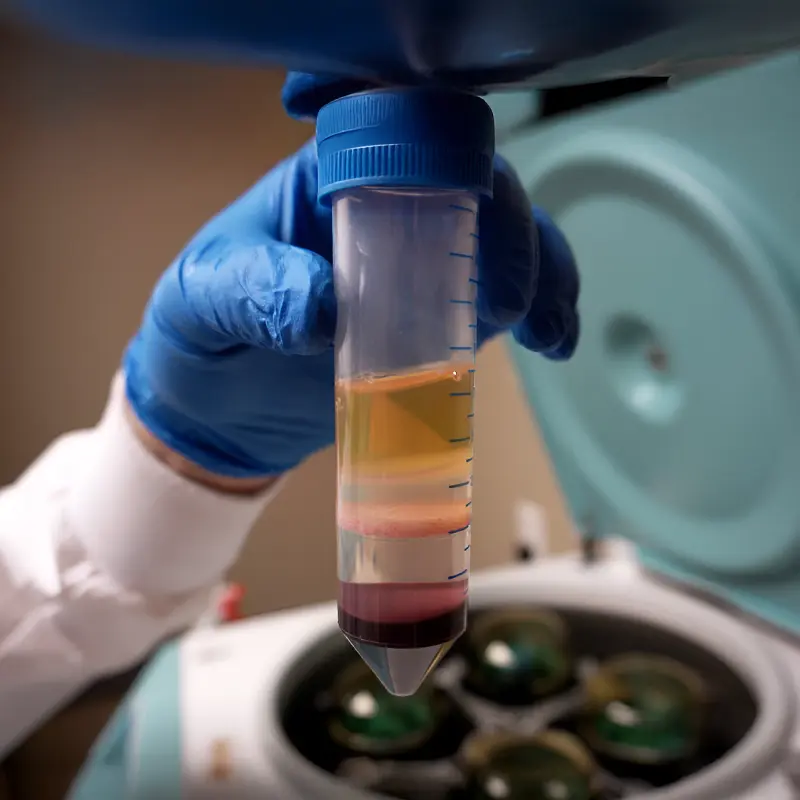

PBMC Isolation & Cryopreservation
Includes blood collection, isolation of Peripheral Blood Mononuclear Cells (PBMCs), cell viability testing, cryopreservation, and long-term storage in a GMP-certified facility. Ideal for research, diagnostic, or future therapeutic applications.
AED 15,000
Featured Review
Peripheral Blood Mononuclear Cells (PBMCs) are a group of specialized immune cells naturally present in the bloodstream. This population includes T cells, B cells, natural killer (NK) cells, and monocytes, each playing a vital role in maintaining and regulating the body’s immune system.
PBMCs are essential for coordinating immune responses, supporting tissue repair and controlling inflammation. Unlike stem cells, which primarily focus on regenerating damaged tissues, PBMCs enhance the body’s innate ability to defend, regulate, and heal itself.
By strengthening and optimizing immune function, PBMCs play a crucial role in supporting overall health, recovery, and long-term wellness.
What’s Included in the Package:
- PBMC isolation and processing in a GMP-certified laboratory
- Cell count and viability testing for quality assurance
- Cryopreservation and secure storage for up to 10 years
- Certificate of Processing and Storage with full traceability
- Retrieval support for approved research or clinical use
Why Cryopreserve Your PBMCs?
- Future use in diagnostics or clinical trials – enabling personalized approaches to disease management.
- Immunological applications – such as CAR-T cell therapies for cancer treatment.
- Cell Reprogramming – PBMCs can be converted into induced pluripotent stem cells (iPSCs), offering potential treatments for various conditions.
- Expansion into therapeutic cells – including Natural Killer (NK) cells and Cytokine-Induced Killer (CIK) cells, which are being explored for use in immunotherapies.
Benefits
1. Immune System Support
Strengthens natural defense mechanisms and promotes immune system balance.
2. Chronic Condition Management
Supports reduction of systemic inflammation in autoimmune and inflammatory conditions.
3. Accelerated Recovery
Enhances the body’s tissue repair and recovery through optimized immune signalling.
4. Adjunct to Regenerative Therapies
Stored stem cells are a perfect match for the child and may serve as a compatible option for siblings and close family members, offering a unique and potentially life-saving resource for the entire family.
Step By Step Process
1. Register for the Service
Sign up and provide your basic details to begin your PBMC cryopreservation process.
2. Complete Requirements
Fill out the consent forms and medical questionnaire for eligibility and compliance.
3. Confirm & Make Payment
Once your application is reviewed, proceed with payment to activate your service and secure your slot.
4. Schedule Your Blood Collection
Book your preferred date and location for sample collection at an accredited facility.
5. Blood Collection & Laboratory Processing
Your blood sample is collected and transported to a certified lab where PBMCs are isolated, tested, and prepared.
6. Cryopreservation & Secure Storage
Your PBMCs are cryopreserved and stored in a controlled facility. You receive confirmation and storage documentation.
FAQ’s
We’ve answered some common questions to help you gain a better understanding of our services, how they work and what you can expect.
What are PBMCs and why should I store them?
PBMCs (Peripheral Blood Mononuclear Cells) are important immune cells that help fight infections and regulate immune responses. Storing them preserves your cells for potential future medical or therapeutic use.
Is the blood collection process safe and painful?
The procedure is safe and similar to a routine blood draw. It is minimally invasive and typically completed within a few minutes.
How long can my PBMCs be stored?
PBMCs can be cryopreserved and stored for many years (often up to 10 years or more) while maintaining their viability under proper conditions.
Can I use my stored PBMCs in the future?
Yes, your stored PBMCs may be used for approved clinical treatments, research, or emerging therapies, depending on medical guidance and regulatory approvals.